

Parents as Teachers Testifies on MIECHV
The process to reauthorize the Maternal, Infant, and Early Childhood Home Visiting (MIECHV) program before its October 1, 2027, expiration began June 25 in the House Ways and Means Subcommittee on Work and Welfare. The bipartisan hearing, titled Maternal, Infant, and Early Childhood Home Visiting (MIECHV) Program: Early Support, Lifelong Impact, was a strong start. Member after member emphasized the value of MIECHV, citing evidence of home visiting’s effectiveness during pregnancy and the early years of parenting. They highlighted outcomes such as healthier pregnancies and births, healthy child development, reduced child abuse and neglect, and increased school readiness. Nearly every member who spoke underscored the importance of reauthorizing the program on time.
Five panelists, representing a range of evidence-based home visiting programs, testified about the impact of MIECHV across the U.S. and within Tribal nations. One of them was Program Director Shawn Longoria of Community Healthcore in Longview, Texas. She shared her experience launching a Parents as Teachers program after Texas received MIECHV funding in 2012. Before MIECHV, she said, there were no evidence-based home visiting services in their East Texas region.
Ms. Longoria also explained how Community Healthcore benefited from the most recent MIECHV reauthorization, which will double funding by 2027: these additional funds allowed the organization to expand Parents as Teachers into two more counties.
Ms. Longoria was not the only panelist to discuss Parents as Teachers. Mendy Smith, Vice President of Early Childhood Services at Brightpoint in Bloomington, Illinois, shared that Brightpoint delivers home visiting through Parents as Teachers affiliates and uses the Parents as Teachers curriculum for its Healthy Families America home visiting program. Last year, Brightpoint served 500 families across 17 counties with MIECHV funding.
Dr. Paula Sorrell Seanez, Director of the Department of Diné Education for the Navajo Nation, also shared her experience developing the Growing in Beauty program, which implements Parents as Teachers while integrating Tribal culture and traditions. Dr. Seanez said home visiting is making a difference, citing increased screenings and connections. More importantly, she described how home visiting changed the trajectory for an entire family with three children after six months of working with their parent educator.
Although each panelist’s testimony was limited to five minutes, their remarks were powerful. Together, they told the story of MIECHV’s impact since it was first authorized and made a clear case for continued funding. It appears that members of the subcommittee agree.
You can watch the hearing HERE
“By supporting families prenatally until age five, a critical period for early childhood development, MIECHV is a preventative program. MIECHV is a program that gets results.” – Chairman LaHood (R-IL)
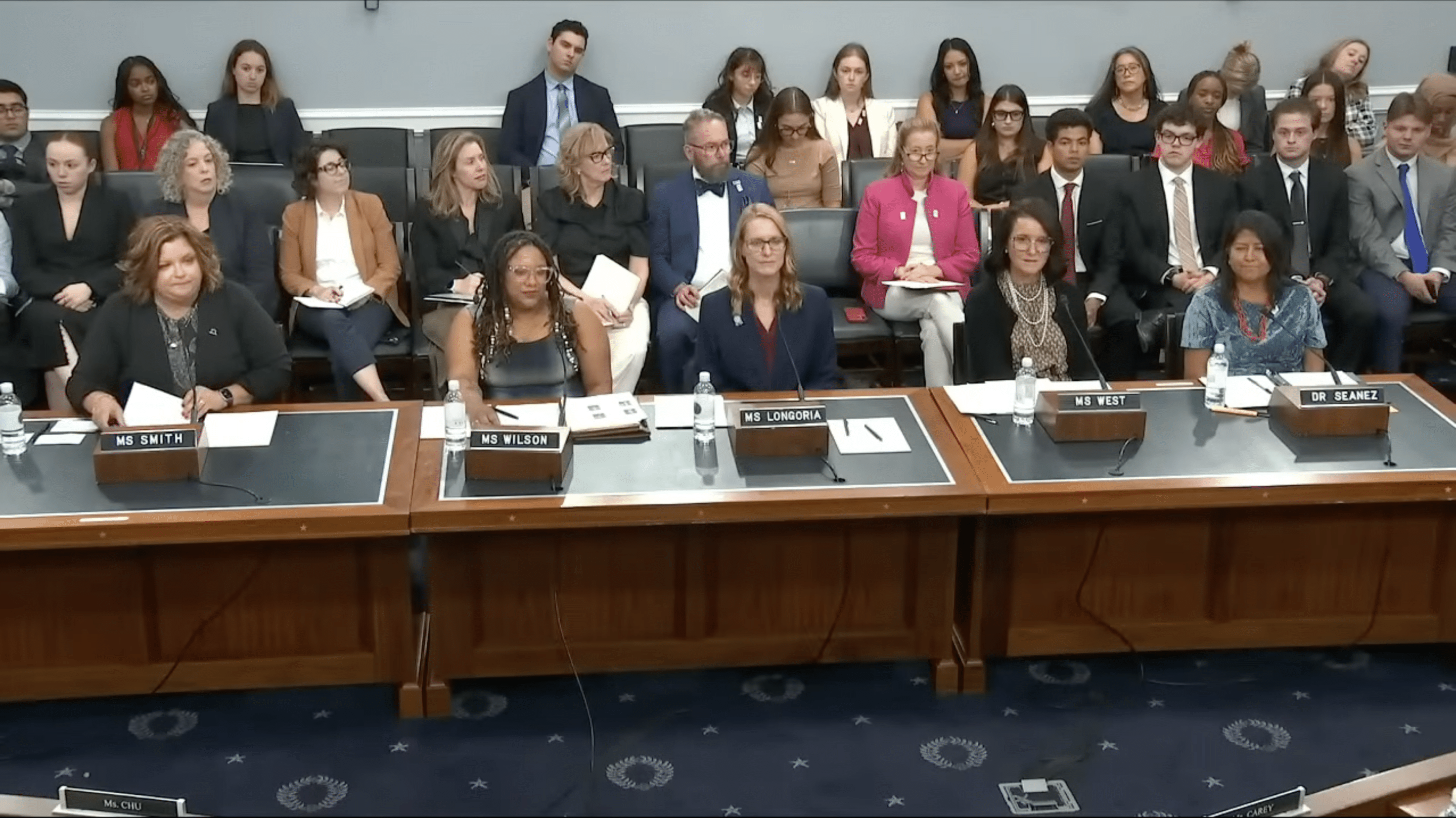
Five panelists, representing a range of evidence-based home visiting programs, testified about the impact of MIECHV across the U.S. and within Tribal nations.